
Venue: Monserate Winery
Creative Hosts: Bash Boulevard + Flower Snobs
Planning + Design: Bash Boulevard
Photography: Brittanee Taylor Photography
Suit + Tuxedo: Black Peak Lapel Performance Tuxedo by Michael Kors
Wedding planning is exciting- but with so many decisions, knowing what to prioritize makes all the difference. Venue, food, photography, professional planning, entertainment, and fashion are the six pillars that shape your guest experience and the memories you’ll carry long after the last dance.
If you’re asking, “What should our top priorities be when wedding planning (venue, food, photography, planning, entertainment, style…)?”, the answer starts with clarity. Define your vision first, then book vendors in the right order with clear expectations. This guide walks you through smart priorities, a practical wedding planning checklist, and tips that support seamless wedding day coordination.
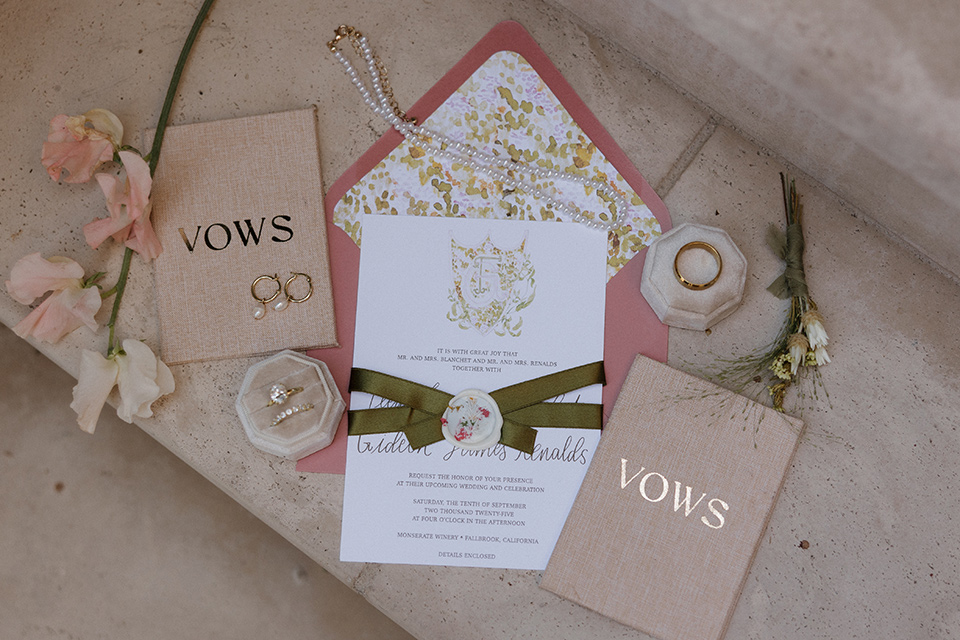
1. Define Your Vision (Before You Book Anything)
Start with how you want the day to feel. Is it a chic city celebration, a romantic outdoor ceremony, or a classic black-tie evening? Clarifying your wedding style early helps guide decisions around décor, attire, music, and menu—while reducing decision fatigue.
Next, align on what matters most to both of you. Some couples prioritize standout photography and a packed dance floor; others focus on elevated food, a breathtaking venue, or timeless style. Rank your priorities so your budget reflects what you truly value. This step is essential when deciding what to prioritize first in wedding planning.
Also consider cultural or family traditions you want to include—ceremonies, attire, special dances, or cuisine. Communicate these details early to your venue and vendors to support smooth wedding day coordination and avoid last-minute adjustments.
2. Choose the Right Venue First
Your venue sets the tone for the entire celebration and influences nearly every other decision. When comparing options, consider:
-
Guest capacity and layout flexibility
-
Location, accessibility, and transportation
-
Overall ambiance and alignment with your vision
-
Weather backup plans and noise restrictions
Add these details to your wedding planning checklist so comparisons stay clear and organized.
Be sure to understand what’s included. Some venues offer tables, chairs, linens, lighting, and on-site coordination, while others require outside rentals. Ask about preferred vendors, catering rules, service charges, and who handles wedding day coordination to avoid gaps.
Popular venues often book 12–18 months in advance, especially for peak dates. Locking in your venue early creates a strong foundation for booking photographers, caterers, and entertainment with confidence.
Venue questions to confirm:
-
Setup and breakdown access hours
-
Floor plans and layout capacities
-
Power availability for DJs or bands
-
Décor, candle, and sound restrictions
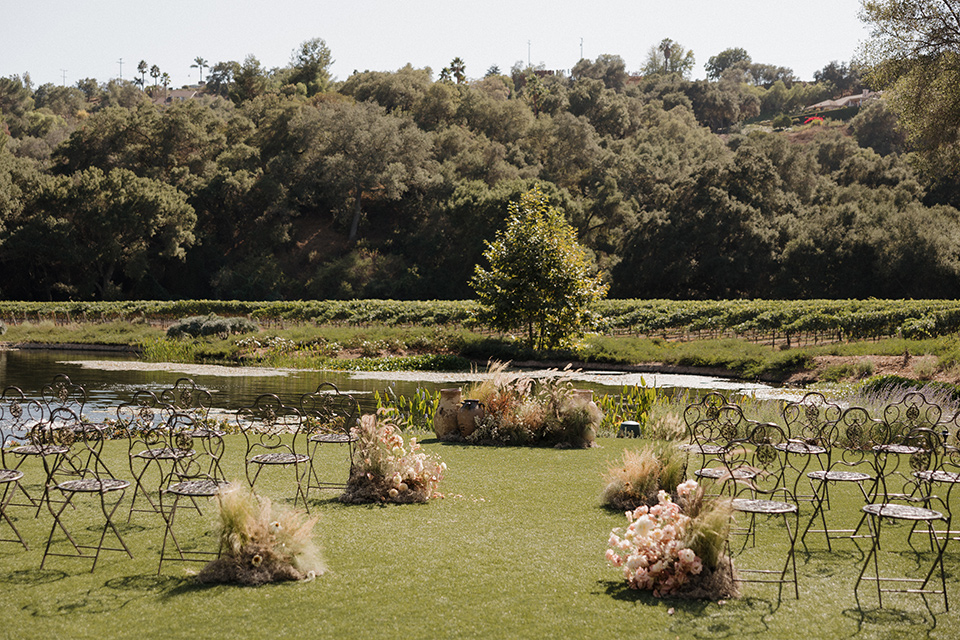
3. Prioritize Photography and Videography
Photography and videography preserve the moments you’ll want to relive forever. Beyond beautiful images, experienced professionals manage lighting, timelines, and logistics—making them a key part of successful wedding day coordination.
When researching photographers or videographers, review full galleries or films, not just highlights. Choose a style you love—classic, editorial, or documentary—and a team that makes you feel comfortable and confident.
Add these details to your wedding planning checklist and coordinate timelines early so no moments are missed.
Questions to ask photographers and videographers:
-
How do you balance posed and candid moments?
-
How do you handle low light or weather changes?
-
What’s included (hours, second shooters, albums, film length)?
-
Turnaround times and usage rights?
-
Do you carry insurance and backup equipment?
4. Wedding Planning & Coordination: Budgeting for Peace of Mind
A wedding planner isn’t just a luxury- they’re a strategic investment in a smooth, stress-free celebration. From vendor coordination to timeline management, planners play a critical role in keeping your wedding organized, on schedule, and aligned with your vision.
When building your wedding budget, allocate funds for professional planning or day-of coordination early. Costs vary by service level- full-service planning, partial planning, or month-of/day-of coordination, but each option provides structure and expertise that can save time, money, and last-minute stress.
Benefits of Hiring a Wedding Planner
A planner supports both the planning process and the guest experience by:
-
Managing vendor communication and contracts
-
Creating and maintaining a realistic wedding timeline
-
Coordinating setup, transitions, and breakdown on the wedding day
-
Anticipating issues and solving them before guests ever notice
-
Keeping decisions aligned with your priorities and budget
Planners often help couples avoid costly mistakes, negotiate smarter contracts, and stay accountable to spending limits- making them especially valuable if you’re managing multiple vendors, a larger guest list, or a detailed design vision.
How to Budget for a Wedding Planner
As a general guideline:
-
Full-service planning: 10–15% of your total wedding budget
-
Partial planning: 5–10% of your budget
-
Month-of or day-of coordination: a flat fee, often one of the most cost-effective investments
Add planner fees as a dedicated line item in your wedding budget and wedding planning checklist. If your venue doesn’t provide on-site coordination, having a planner ensures someone is overseeing logistics, timelines, and communication- so you and your guests can focus on celebrating.
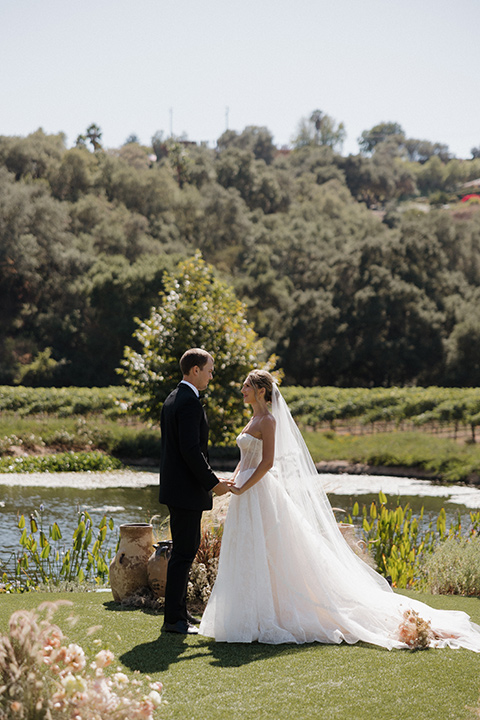
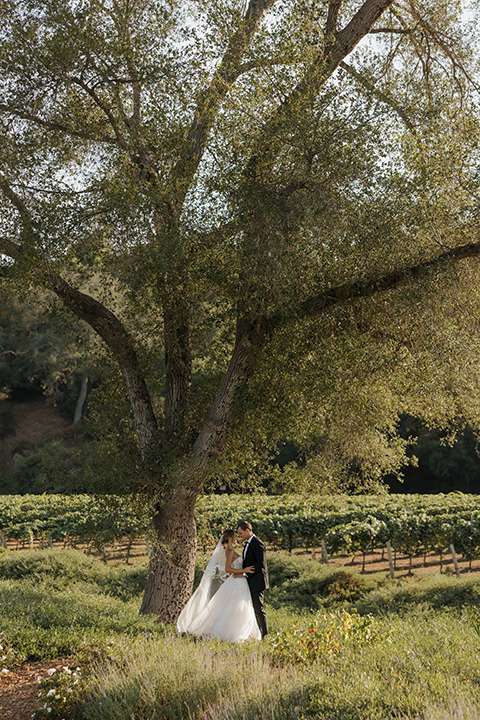
5. Create a Memorable Food & Beverage Experience
Food plays a major role in guest satisfaction. Decide whether you want a plated dinner, buffet, or interactive food stations- and don’t forget cocktail hour bites and late-night snacks.
Design a menu that reflects you as a couple, whether that’s regional flavors, favorite dishes, or a signature cocktail. Schedule tastings to refine presentation and portions, and coordinate service timing so meals don’t interrupt key moments like speeches or first dances.
Plan ahead for dietary needs and provide final counts by contract deadlines to avoid rush fees. Add tastings, menu deadlines, and bar decisions to your wedding planning checklist to keep everything on track.
Catering details to confirm:
-
Rentals needed (glassware, china, flatware)
-
Staffing ratios and service flow
-
Bar packages and last-call timing
-
Cake cutting and corkage fees
6. Entertainment: Set the Energy
Entertainment shapes the vibe of your wedding. DJs offer seamless transitions and versatility, while live bands bring energy and presence. You can also incorporate string quartets, cultural performers, or specialty acts for added personality.
Strong entertainment partners coordinate closely with your planner or venue team, helping maintain pacing and smooth wedding day coordination. Share must-play and do-not-play lists, volume preferences, and special dances early.
For added fun, consider photo booths, live painters, audio guestbooks, or late-night surprises. Confirm logistics like power needs, stage size, and sound restrictions with your venue well in advance.
Entertainment checklist:
-
Sample playlists or set lists
-
MC duties and announcement style
-
Wireless mics for ceremony and speeches
-
Backup music and break schedules
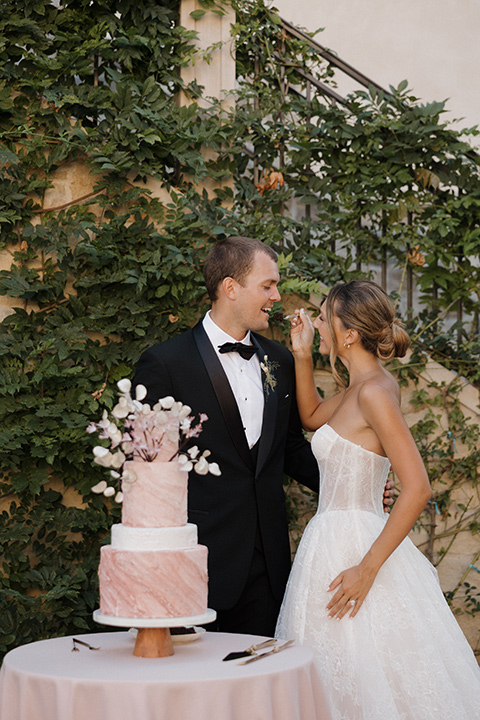
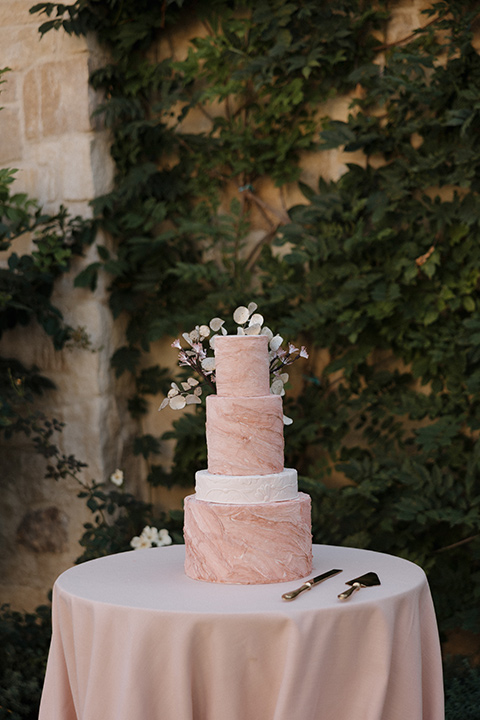
7. Fashion: Set the Style for the Entire Celebration
Fashion is more than what you wear- it’s how your wedding looks, feels, and photographs. From the walk down the aisle to the last toast, attire sets the tone and creates visual cohesion across every moment. Thoughtful fashion choices elevate the guest experience and ensure your wedding feels polished from every angle.
Bridal Fashion: Confidence, Comfort, and Cohesion
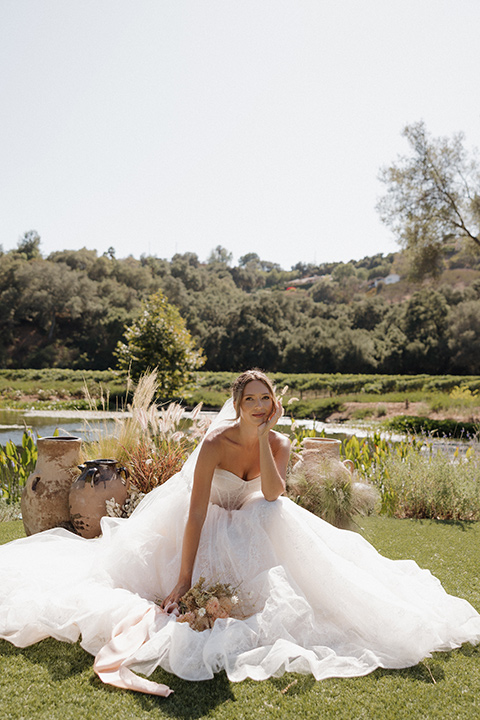
For the bride, fashion starts with finding a look that feels authentic and empowering. Whether you envision a timeless silhouette, modern minimalism, or romantic detailing, your gown should reflect your personality while allowing you to move comfortably throughout the day.
Consider how your dress works with:
-
The venue and overall aesthetic
-
The season and weather
-
Ceremony-to-reception transitions
-
Veils, shoes, jewelry, and second looks
Tailoring is key- expert alterations ensure your gown fits perfectly and photographs beautifully. Keep accessories intentional and balanced so the look feels refined, not overdone. Add fittings and accessory decisions to your wedding planning checklist to avoid last-minute stress.
Groom & Groomsmen Fashion: Style with Structure
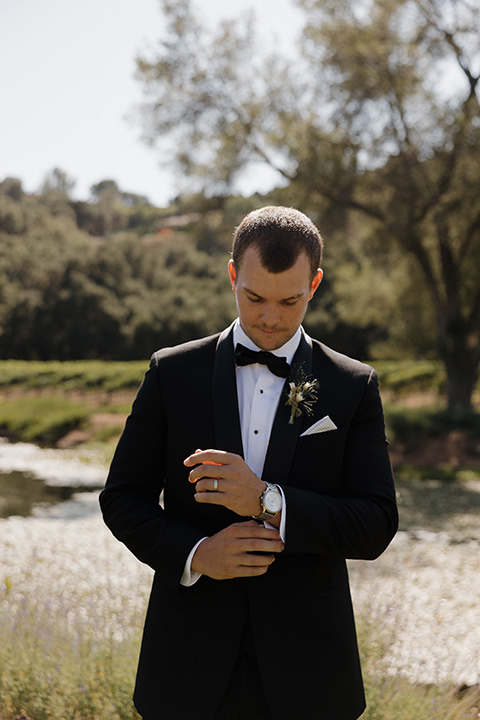
Groom and groomsmen attire plays a major role in the overall visual impact of your wedding. Coordinated suits or tuxedos create clean lines in photos and reinforce the formality- or relaxed vibe- of the day.
Start by deciding the level of dress: classic tuxedo, modern suit, or something more fashion-forward. From there, focus on:
-
Fit and tailoring
-
Fabric and seasonality
-
Color palette and coordination
-
Accessories like ties, bow ties, pocket squares, and shoes
Renting suits or tuxedos is a smart way to achieve a cohesive, elevated look without stretching the budget- especially for larger wedding parties. Add attire deadlines, fittings, and pickup/delivery timelines to your wedding planning checklist to keep everything running smoothly.
When fashion is planned with intention, the result is confidence, comfort, and a unified look that complements the venue, florals, and overall design. Friar Tux is here to help with all of your suit and tuxedo needs, to make is seamless and simple while staying in budget.
Putting It All Together
Once your priorities are clear, book in order of impact: venue first, then photography, professional planning, entertainment, fashion, and food as timelines allow. Revisit your five pillars- venue, food, photography, planning, entertainment, and fashion- whenever decisions arise to ensure everything supports your vision.
With a thoughtful wedding planning checklist, strong wedding day coordination, and intentional fashion choices, you’ll create a celebration that feels seamless, stylish, and unmistakably yours- from the first look to the final dance.
Content Creator: Aisle Access | Hair and Makeup: KC Witcamp | Florist: Flower Snobs | Tabletop Rentals: Catalog Atelier | Chair Rentals: Bright Event Rentals | Napkins and Runners: BBJ La Tavola | Stationery + Day of Paper: fossil wedding invitations | Cake: Artful Sweets | Bridal Boutique: Love Era | Bride and Groom: @kenzandrandall


