
Venue: The Langham Huntington, Pasadena
Planning + Design: Dee Lee Designs
Photography: Parada Studio
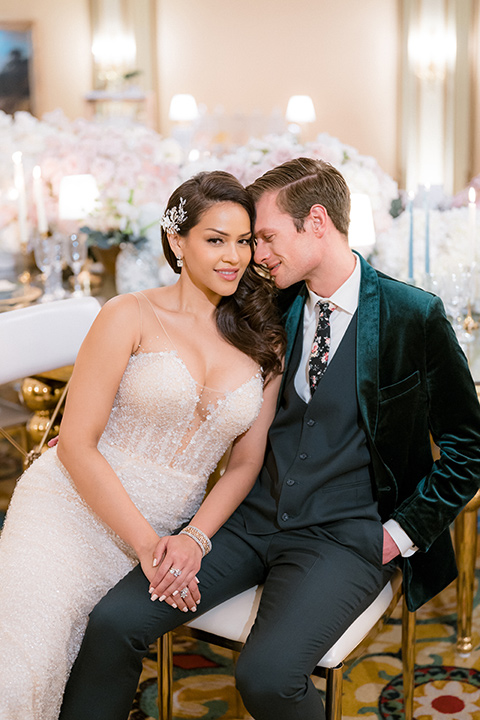
Suit + Tuxedo: Green Velvet Brooklyn Tuxedo
A smart wedding budget does more than control costs—it gives you clarity, confidence, and freedom to plan a celebration that feels like you. Whether you’re hosting a black-tie ballroom wedding or an intimate backyard affair, knowing how to set a wedding budget (and stick to it) keeps decisions intentional from day one.
If you’ve been asking, “How do we set our wedding budget and stick to it?”, this guide breaks it down with a realistic wedding cost breakdown, practical systems, and style-forward ways to save without sacrificing impact.
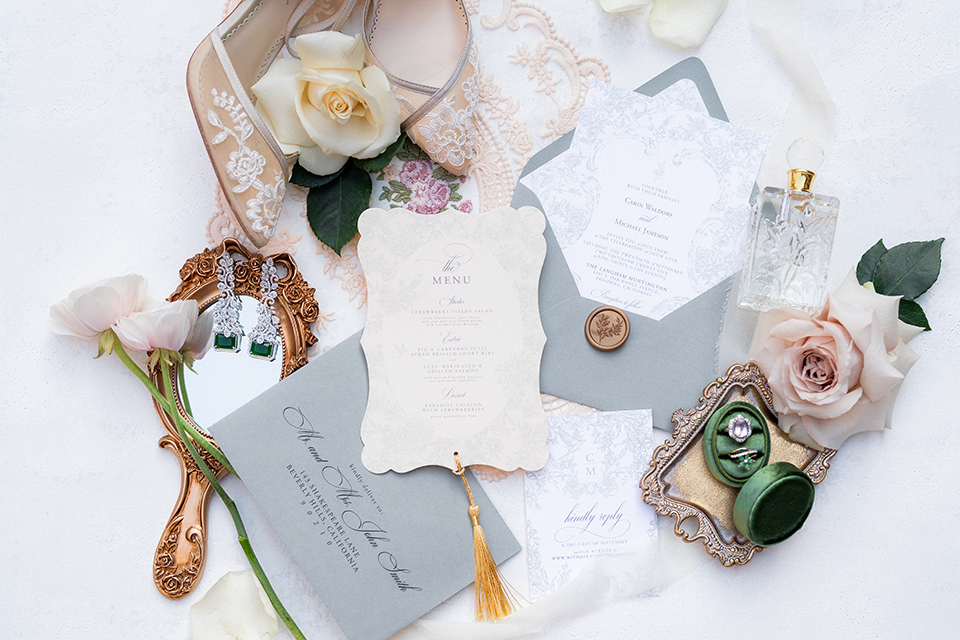
Step 1: Start With the Numbers That Matter
Before booking anything, get clear on your financial starting point. This is the foundation of every confident planning decision.
Take inventory of your resources:
-
Monthly take-home income
-
Savings allocated for the wedding
-
Funds you can safely redirect from non-essential spending
-
Emergency savings (best left untouched)
If family or friends are contributing, clarify details early. Ask for specific amounts or categories they’d like to cover—such as attire, rehearsal dinner, or florals—and track everything in a shared budgeting tool. Clear expectations prevent awkward conversations later and keep your wedding budget accurate from the start.
Step 2: Build a Clear Wedding Budget Breakdown
Once you’ve established your total spending limit, divide it into categories. This is where “how to create a wedding budget” becomes actionable.
Common wedding budget categories:
-
Venue and rentals
-
Catering, bar, and cake
-
Attire (suits or tuxedos, dresses, accessories, tailoring)
-
Photography and videography
-
Music and entertainment
-
Florals and décor
-
Stationery and signage
-
Transportation
-
Officiant and ceremony fees
-
Beauty (hair, makeup, grooming)
-
Taxes, tips, and service charges
As a general rule, venue and catering typically account for 40–50% of your total budget. Gather at least three quotes per category to understand real market pricing instead of relying on assumptions.
👉 Pro tip: Always include a 10–15% contingency fund. This buffer protects you from overtime fees, service charges, last-minute changes, or unexpected upgrades - and is essential to setting a wedding budget you can stick to.
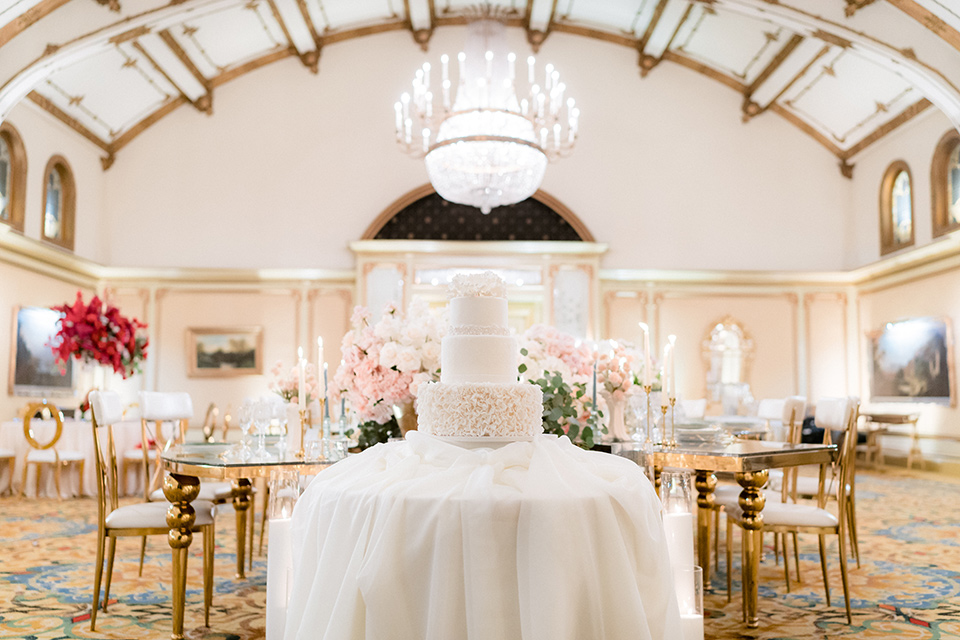
Step 3: Decide What Matters Most
The easiest way to blow a budget? Saying yes to everything.
Sit down together and define your must-haves vs. nice-to-haves. This keeps spending aligned with what actually shapes your guest experience.
Common must-haves include:
-
Venue style and location
-
Guest count
-
Photography quality
-
Food and beverage experience
-
Attire fit, comfort, and overall look
Write down why each must-have matters. “Photography: lifelong memories.” “Attire: confidence, cohesion, comfort.” This clarity makes trade-offs easier when decisions arise.
Then identify areas where you can be flexible—seasonal florals, simplified cake designs, shorter bar service, or digital RSVPs. Redirect those savings toward what matters most to you.
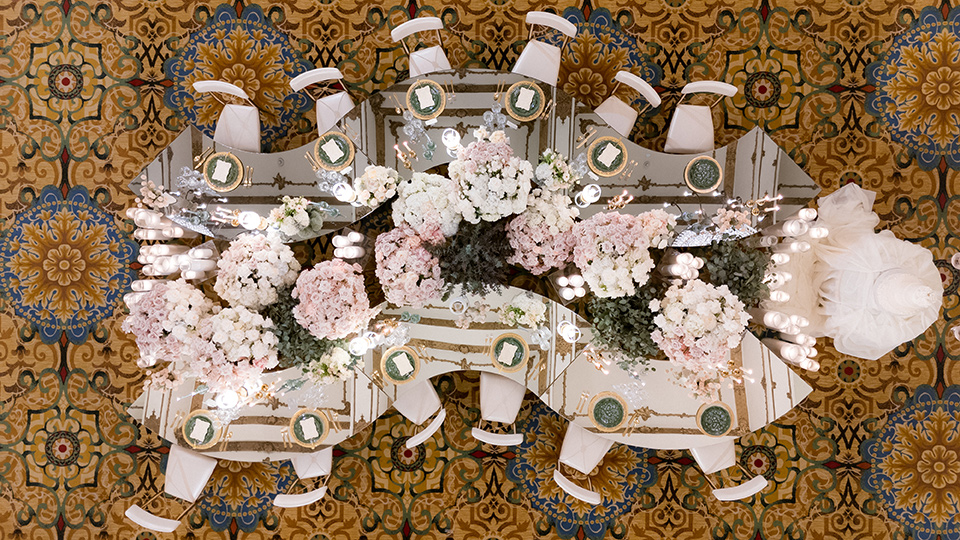
Step 4: Use Systems That Keep You on Track
A budget only works if you actively manage it.
-
Use a shared spreadsheet or wedding budgeting app that tracks deposits, balances, and remaining funds
-
Update it after every payment or contract change
-
Schedule weekly or biweekly check-ins to review quotes, confirm payments, and adjust categories
When looking for savings, focus on value—not just price:
-
Consider weekday or off-season dates
-
Choose venues with in-house rentals
-
Ask vendors about value-adds instead of discounts
When it comes to wedding attire, renting suits or tuxedos with Friar Tux is one of the smartest ways to stay stylish and stay within your budget. Renting eliminates the high upfront costs of purchasing while still delivering a coordinated, tailored look for you and your wedding party. At Friar Tux, we offer ongoing wedding deals and seasonal savings that make it even easier to plan without stress- whether you’re outfitting groomsmen, fathers, or custom looks for the whole crew. Our flexible rental packages include accessories, fittings, and a range of styles from classic black-tie to modern chic, giving you premium style without premium price tags. These cost-effective attire solutions not only help shrink your overall wedding budget but also ensure everyone looks polished on your big day.
Check out our rental styles here.
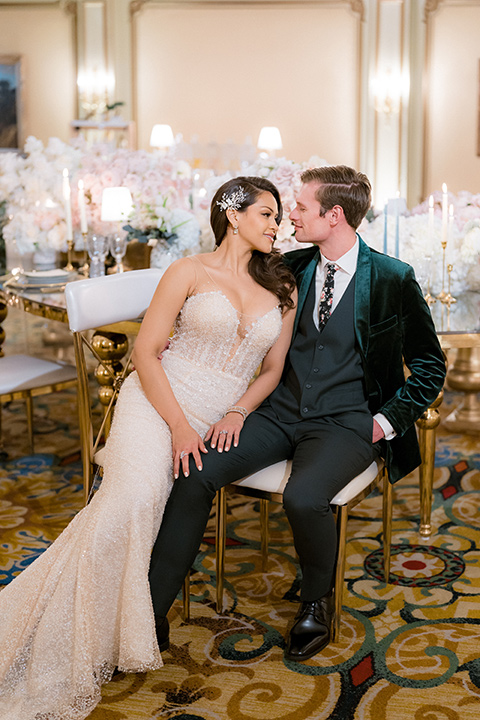
Style Forward, Budget Smart
A beautiful wedding doesn’t require overspending- it requires intention.
Budget-friendly ideas that still feel elevated:
-
Host a brunch or early-evening reception
-
Offer a signature cocktail instead of a full open bar
-
Invest in one statement décor moment (ceremony backdrop, floral entrance)
-
Focus on impeccable lighting and photography
Rent where it makes sense—attire, décor pieces, linens—to achieve a refined look without long-term costs. Concentrating your budget on a few high-impact details creates a cohesive, elevated experience guests will remember.
Sample Wedding Budget Allocation
Use these ranges as a starting framework and adjust based on your priorities and location:
-
Venue & catering: 40–50%
-
Attire: 5–10%
-
Photography & videography: 10–15%
-
Décor & florals: 8–12%
-
Entertainment: 5–10%
-
Stationery: 2–4%
-
Transportation: 2–4%
-
Beauty & grooming: 2–4%
-
Contingency: 10–15%
This wedding cost breakdown helps visualize where your money goes—and how to control it.
Wedding Budget FAQs
How do we avoid surprise fees?
Read contracts closely for service charges, overtime, delivery, setup/teardown, and gratuities. Ask vendors for an all-in estimate before signing.
Should tips and taxes be included in the budget?
Absolutely. Build them into each category so they’re not last-minute surprises.
Is it better to cut guest count or downgrade services?
Reducing guest count usually saves the most while preserving quality and experience.
How do we handle last-minute upgrades?
Use your contingency fund intentionally. If you upgrade in one area, offset it elsewhere.
Where should we start if we feel overwhelmed?
Start with your total budget, identify your top three priorities, and build from there. Simple systems lead to confident decisions.
Cinematographer: DewyFilms | Floral Designer: Aquafuzion | Dress: JINZA Bridal | Beauty: Christy Yoo Artistry | Chinaware: Casa de Perrin | Draping & Linens: Illuminate Event Services | Jewelry: Shaneli | Linens: LinensBy Celina | Rentals: TMMPRO Inc | Perfume Bar: Ele Fragrance Bar | Sand Candles: Colibri Love Candles | Stationary: La Design Boutique | Shoes: Bella Belle Shoes


