
Venue: Fox Point Farms
Planning + Design: All The Deets + Codie Plann Edit
Photography: Asante Photography
Suit + Tuxedo: Tan Notch Lapel Suit
Your wedding guest count is one of the most influential decisions you’ll make while planning. It affects your budget, venue options, timeline, catering, fashion logistics, and overall guest experience. Whether you’re envisioning an intimate celebration or a high-energy party with a full dance floor, getting clear on your numbers early makes everything else easier.
If you’re asking, “How many guests should we invite to our wedding—and how do we manage the guest list?”, this guide walks you through both. From choosing the right guest count to navigating plus-ones and wedding invitation etiquette, you’ll find practical strategies to plan confidently—and celebrate with the people who matter most.
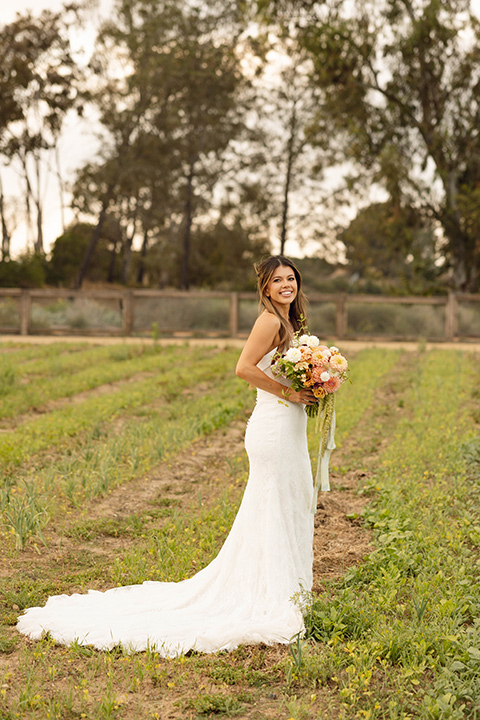

How Many Guests Should You Invite to Your Wedding?
Start with two non-negotiables: your budget and your venue capacity.
Every guest impacts your total spend—catering, bar, rentals, stationery, transportation, favors, and even attire logistics. Estimate your per-person cost, multiply it by your target guest count, and confirm that number fits comfortably within your wedding budget.
Next, confirm your venue’s maximum capacity. This includes plus-ones and children, so plan with that full number in mind and leave a small buffer for households or last-minute changes. The right guest count balances finances, space, and the atmosphere you want to create.
Guest Count and Guest Experience
Smaller weddings tend to feel intimate and relaxed, giving you meaningful time with each guest. Larger weddings bring energy, excitement, and a packed dance floor—but require more coordination and limit one-on-one interactions.
Ask yourselves:
-
Do we want a cozy, conversation-forward celebration?
-
Or a lively, high-energy party with everyone we know?
If you’re hosting multiple events—such as a welcome party, rehearsal dinner, or post-wedding brunch—decide how guest counts will vary across each gathering so your main celebration stays focused.
A Smart Way to Find Your Number
Set a guest count range based on budget and capacity, then build your list in tiers:
-
Immediate family and closest friends
-
Extended family and longtime friends
-
Coworkers and acquaintances (space permitting)
Most weddings see a 75–85% attendance rate, depending on travel and season. Use that estimate to fine-tune your invitation count and avoid overcommitting. If you’re offering a plus-one at your wedding, factor those seats in early.


Creating Your Wedding Guest List: Step by Step
Begin by grouping potential guests into categories:
-
Immediate family
-
Extended family
-
Close friends
-
Childhood or college friends
-
Coworkers
-
Family friends
Track children and plus-ones as subcategories so your seating and costs remain accurate.
Next, prioritize by closeness and current connection. A helpful guideline: if you haven’t spoken in two years and don’t plan to reconnect, that guest may belong on an optional list rather than your core group. This values-based approach makes decisions clearer and less emotional.
Use digital tools from day one. Shared spreadsheets or wedding planning apps help you track names, addresses, RSVP status, meal choices, and notes. Many wedding websites integrate guest management and online RSVPs, simplifying updates as responses come in.
Managing Your Guest List Without the Stress
Create a single source of truth—a master spreadsheet or planning app. Include:
-
Full names and household groupings
-
Mailing and email addresses
-
Invite and RSVP status
-
Guest count and child count
-
Meal selections and dietary restrictions
-
Plus-one status
Grouping guests by household simplifies addressing invitations and ensures each invite reflects the correct number of seats. Clearly note whether a plus-one is offered to avoid confusion later.
RSVPs and Communication
Set your RSVP deadline 2–3 weeks before the wedding to allow time for seating charts and vendor confirmations. Use automated reminders for anyone who hasn’t responded.
Be clear and kind in all communication. Address invitations by name, spell out RSVP instructions, and use your wedding website to explain policies on plus-ones, children, and dress code. Clear wedding invitation etiquette upfront reduces follow-up questions and last-minute changes.
Who to Invite: Must-Haves vs. Optional Guests
Your must-have guests are the people without whom your day wouldn’t feel complete—immediate family, close relatives, and friends you regularly connect with.
Optional guests often include extended family you rarely see, acquaintances, and coworkers. If you invite colleagues, keep it consistent within a team or close work circle to avoid awkward dynamics.
Plus-Ones
Plus-ones can be one of the trickiest decisions. A common, widely accepted approach:
-
Offer plus-ones to married, engaged, or long-term partners
-
Limit plus-ones for single guests if space or budget is tight
Communicate your policy clearly by addressing invitations by name and repeating guidelines on your wedding website. If your wedding is adults-only, share that politely and early.
Transparency around plus-ones helps prevent confusion and keeps your headcount—and budget—under control.
Kids at Weddings: Deciding Whether to Invite Children
One of the most common guest list questions couples face is whether to invite children. There’s no right or wrong choice—only what works best for your celebration, your budget, and the experience you want to create.
Having Kids at Your Wedding
Including children can make your wedding feel warm, family-centered, and inclusive—especially if kids are a meaningful part of your lives. Weddings with children often feel lively and joyful, and they can make it easier for parents to attend without childcare concerns.
When inviting kids, plan intentionally:
-
Confirm your venue’s child capacity and safety considerations
-
Account for added per-person costs in catering and rentals
-
Consider kid-friendly meal options and seating
-
Think about entertainment like activity bags or a designated kids’ area
Adding children can change the flow of the day, so coordinate timelines and logistics with your planner or venue team to keep things running smoothly.
Choosing a Kid-Free Wedding
An adults-only wedding is just as valid—and increasingly common. Many couples choose a kid-free event to maintain a specific atmosphere, manage costs, or allow guests to relax and enjoy the celebration without distractions.
Reasons couples opt for a kid-free wedding include:
-
Limited venue capacity
-
Budget constraints tied to per-person costs
-
Evening or formal event timing
-
Safety or space concerns
-
Desire for a more grown-up atmosphere
If you choose a kid-free wedding, clarity and consistency are key.

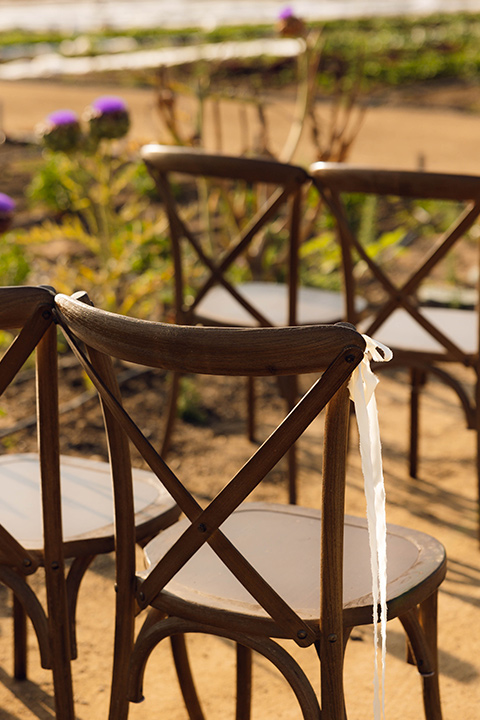
How to Communicate a Kid-Free Wedding Clearly and Kindly
The best way to avoid confusion or uncomfortable conversations is to set expectations early.
Where to Share Your Policy
-
Address invitations only to the adults invited
-
Clearly note “adults-only celebration” on your wedding website
-
Include a brief FAQ explaining your decision
-
Share childcare suggestions or local sitter resources if possible
Example wording for your wedding website:
“While we love your little ones, we have chosen to make our wedding an adults-only celebration. We hope you’ll enjoy a night off and celebrate with us.”
This language is warm, respectful, and firm—without over-explaining.
How to Handle Guests Who Assume Their Kids Are Invited
Even with clear communication, some guests may assume their children are included or ask to bring them. When this happens, respond calmly and consistently.
Polite Responses That Set Boundaries
-
“We’d love to celebrate with you, but due to space limitations, we’re unable to accommodate children.”
-
“Our venue has strict capacity rules, so we’re keeping the guest list adults-only.”
You don’t need to justify your decision further. Repeating the same message consistently helps avoid mixed signals or hurt feelings.
Stay Consistent Across the Guest List
Making exceptions can create confusion and resentment among guests who respected your policy. If you do choose to allow children for immediate family or the wedding party, communicate that clearly and privately—never assume guests understand unspoken exceptions.
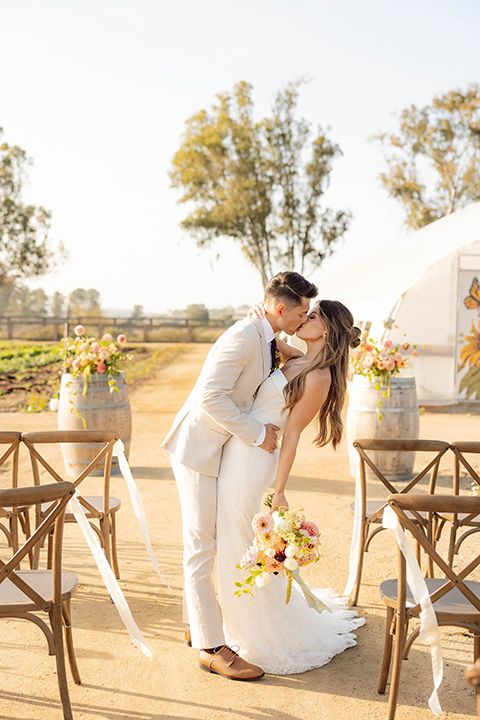
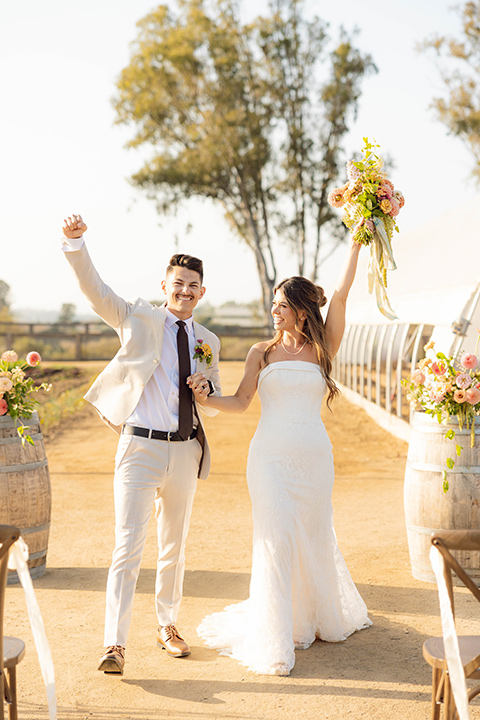
Balancing Guest Comfort and Your Vision
Whether you include children or not, the goal is the same: creating a celebration that feels welcoming, intentional, and true to you as a couple. Respectful communication, thoughtful planning, and consistent policies go a long way toward keeping relationships intact and stress levels low.
When deciding on kids at weddings, trust that your guests will appreciate clarity—and most will understand that your wedding day is about creating the experience that feels right for you.
Cutting Down Your Guest List (When You Need To)
If your list exceeds capacity or budget, start trimming from the outer tiers inward. Acquaintances, distant relatives, and coworkers you’re less close with are usually the first to move to an optional list.
Create a short B-list of guests you’d love to include if space opens due to declines. As RSVPs come in, you can invite them without pressure or awkwardness.
When navigating requests or assumptions, keep responses gracious and simple:
“We wish we could include everyone, but our venue has limited capacity.”
You don’t owe further explanation. Consistency and kindness go a long way.
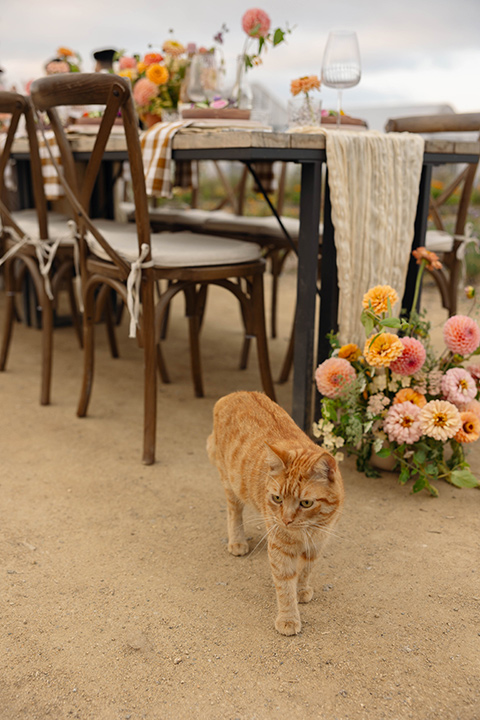
Wedding Guest List Etiquette Essentials
-
Send save-the-dates 4–8 months in advance (earlier for destination weddings)
-
Mail invitations 6–8 weeks before the wedding
-
Address invitations to the exact people invited
-
Make plus-ones and children clear through names and wording
Provide an easy RSVP method and a firm deadline. Use your wedding website to share logistics like parking, transportation, attire guidance, and schedule highlights so guests feel informed and welcomed.
After the wedding, send thank-you notes within two to three months to all attendees and gift-givers.
Guest List Planning Checklist
-
Confirm budget and per-person costs
-
Verify venue capacity and layout limits
-
Define must-have and optional guests
-
Set clear policies for plus-ones, children, and coworkers
-
Create a shared guest list tracker
-
Collect addresses early
-
Send save-the-dates to core guests
-
Set RSVP deadline and reminder plan
-
Track responses, meals, and dietary needs
-
Finalize seating chart and headcount
-
Prepare polite scripts for declines or requests
-
Update wedding website FAQs
-
Send thank-you notes post-wedding
Final Thoughts: Finding the Right Guest Count
Your guest list should reflect your values, your budget, and the experience you want to create. Start with realistic numbers, prioritize meaningful relationships, and use clear systems to manage details from start to finish.
When you’re thoughtful about who you invite—and transparent about expectations—you create a celebration that feels intentional, welcoming, and truly yours. If you’ve been wondering, “How many guests should we invite to our wedding—and how do we manage the guest list?”, the answer lies in clarity, consistency, and planning with confidence.
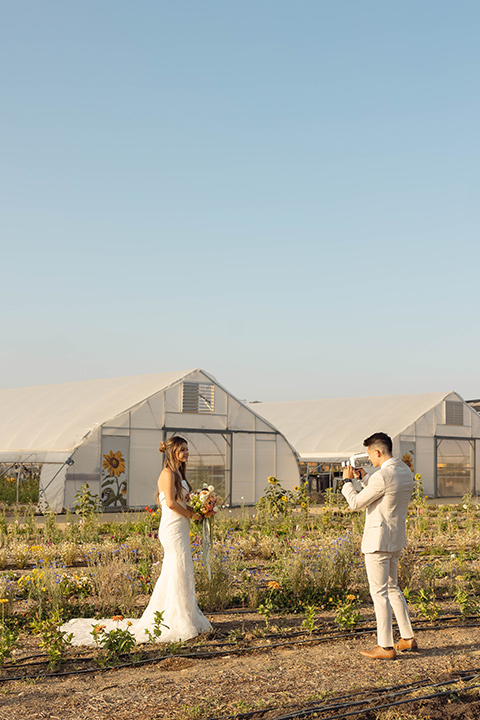
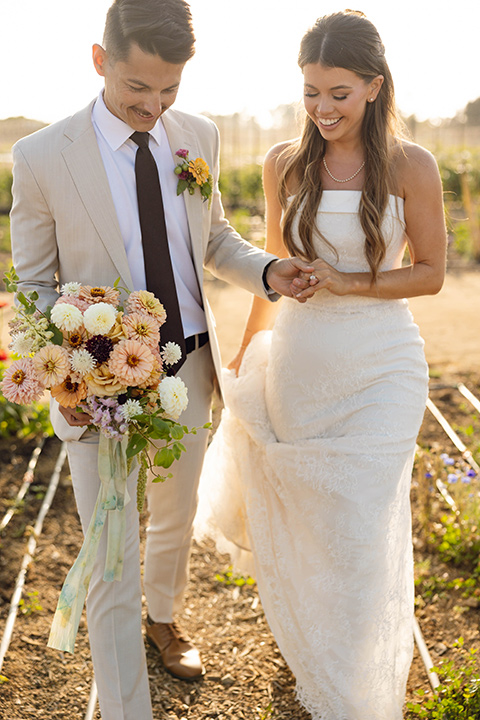
Frequently Asked Questions: Wedding Guest Count & Guest List Planning
How many guests should we invite to our wedding?
Most couples invite between 75 and 150 guests, but the right number depends on your budget, venue capacity, and the experience you want to create. Start by confirming your per-person costs and your venue’s maximum capacity, then choose a guest count range that fits comfortably within both.
How do we decide who to invite to our wedding?
Begin with your must-have guests—immediate family and close friends—then add extended family, longtime friends, and coworkers if space and budget allow. A helpful rule is to prioritize people who are active in your lives now and whose presence would make the day feel complete.
What percentage of wedding guests typically attend?
On average, 75–85% of invited guests attend a wedding. Attendance rates vary based on travel distance, season, destination weddings, and the day of the week. Use this range to estimate how many invitations to send without exceeding venue capacity.
Should we give single guests a plus-one at our wedding?
Plus-ones are commonly offered to guests who are married, engaged, or in long-term relationships. For single guests, offering a plus-one depends on your budget and space. The key is to apply your policy consistently and communicate it clearly on invitations and your wedding website.
How do we manage plus-ones without offending guests?
Address invitations by name and clearly list who is invited. If plus-ones are limited, explain your policy politely on your wedding website FAQs. Consistent wording and transparency help avoid confusion or hurt feelings.
When should we send wedding invitations and RSVP deadlines?
Send save-the-dates 4–8 months before the wedding (earlier for destination weddings). Mail invitations 6–8 weeks before the date, and set your RSVP deadline 2–3 weeks before the wedding to finalize seating charts and vendor counts.
How do we track wedding RSVPs efficiently?
Use a shared spreadsheet or wedding planning app to track invite status, RSVPs, meal selections, dietary restrictions, and plus-ones. Online RSVPs through a wedding website can streamline reminders and updates in real time.
Is it okay to cut down our wedding guest list?
Yes. If your guest list exceeds your budget or venue capacity, start trimming from the outer tiers—acquaintances, distant relatives, or coworkers. Focus on keeping your core group intact and remember that smaller weddings often feel more personal.
What’s the polite way to say no to additional guests?
A simple, kind response works best:
“We wish we could include everyone, but our venue has limited capacity.”
You don’t need to offer detailed explanations—most guests understand space and budget constraints.
How do we handle guest list stress or family pressure?
Align on priorities as a couple first. If family members are contributing financially, agree on a set number of guest seats per side early. Clear boundaries and documented plans reduce tension and prevent last-minute changes.
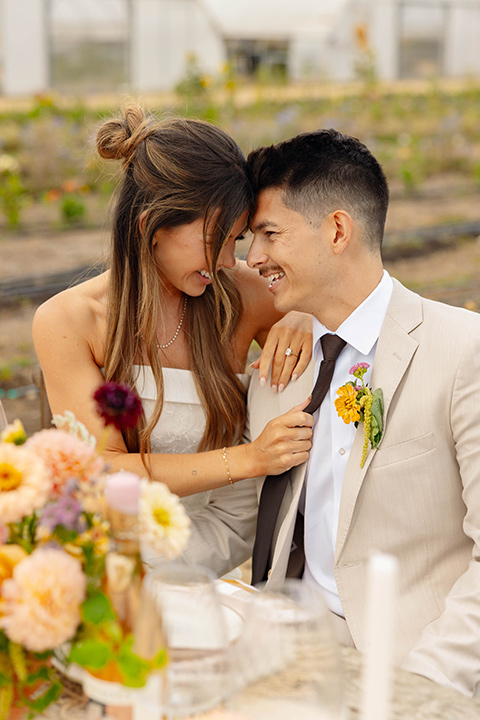

Florals: Front Yard Florals SD | Content Creator: Keep Sake Content Co. | Makeup: Makeup by Kamielea | Rentals: Adore Folklore | Dress: Blushing Bride SoCal | Models: @holly_bernard_ + @8rock | Hair: The Studio Handcrafted Hair


