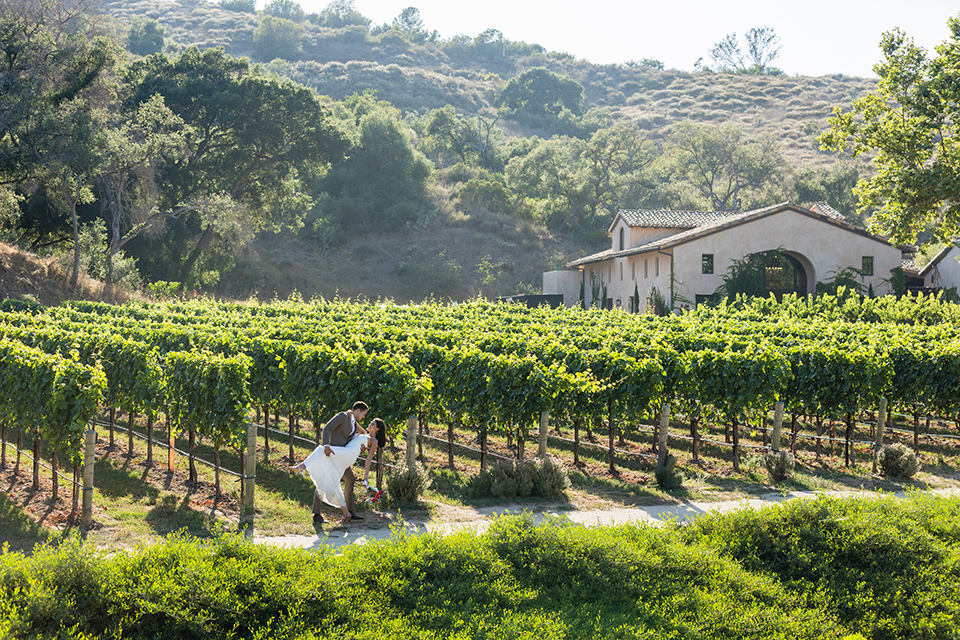
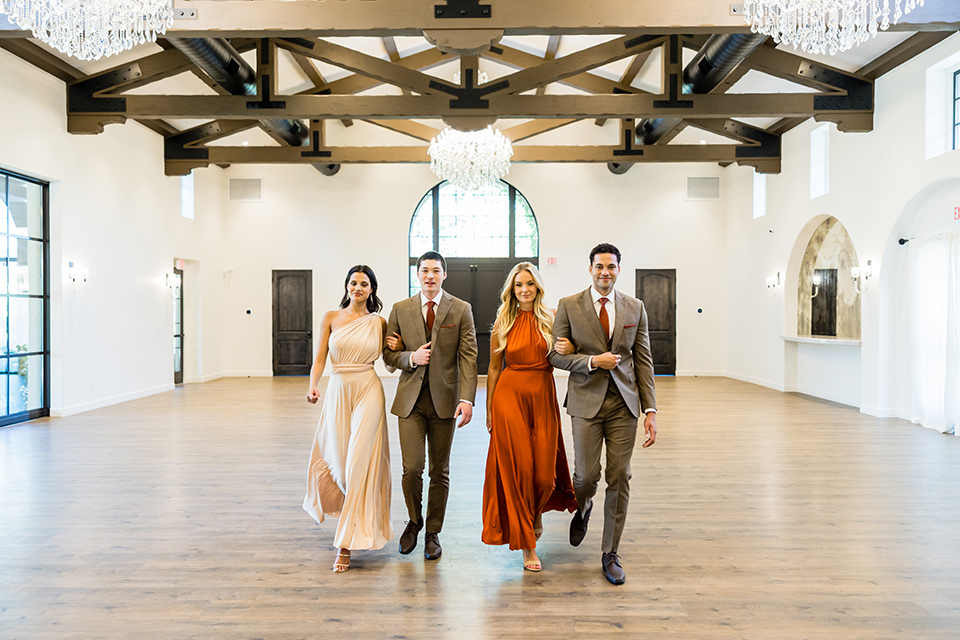
Venue: Monserate Winery
Photography: BYC Photography
Beauty: Diamond Beauty Hair + Makeup
Your wedding venue is one of the most important decisions you’ll make during planning. It sets your date, shapes your guest experience, and influences everything from décor and layout to vendor availability and attire. From modern lofts and coastal gardens to classic ballrooms, knowing when to book your wedding venue- and how to choose the right one- helps you secure a space that aligns with your vision, budget, and timeline.
Many couples ask early on: “When should we book our wedding venue, and how do we pick the right one?” This guide covers both- so you can move forward with confidence and avoid unnecessary stress.
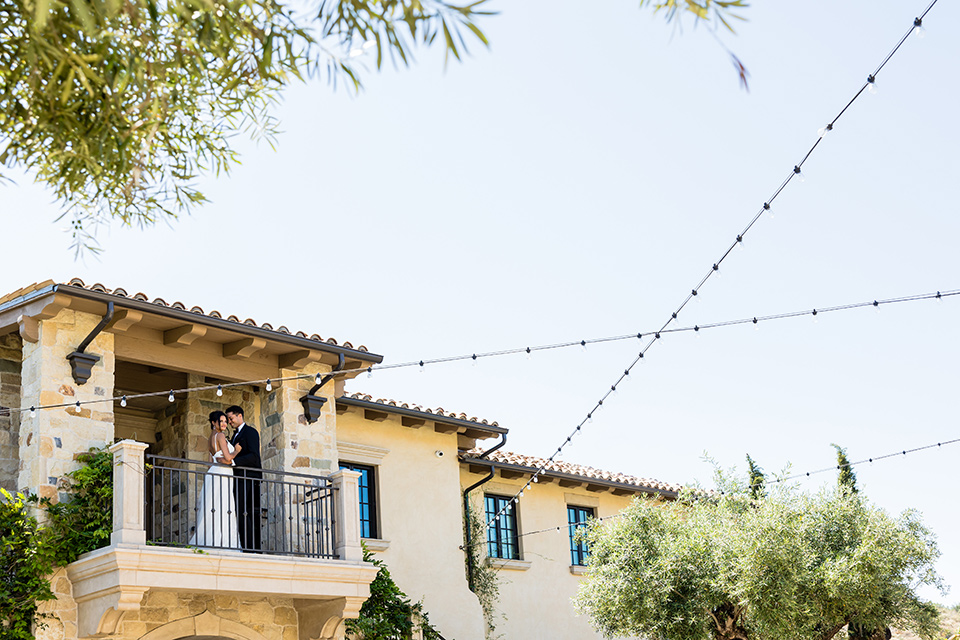
Why Booking Your Wedding Venue Early Matters
Booking your wedding venue early gives you the greatest flexibility and value. Popular venues and peak-season Saturdays book quickly, often 12–24 months in advance. Securing your venue sooner means:
-
More available dates and layouts
-
Clearer pricing before annual increases
-
Better access to top vendors
-
A defined planning direction from day one
Early venue booking anchors your entire wedding plan. Once your date and space are confirmed, decisions around design, guest flow, rentals, entertainment, and attire become far more streamlined.
So, when should you book your wedding venue?
Simple, as soon as you have a working budget and a guest count range.
How Far in Advance Should You Book a Wedding Venue?
For most couples, the ideal window is 12 to 18 months before the wedding date.
-
18–24 months: Highly sought-after venues, destination weddings, peak-season Saturdays
-
12–18 months: Most traditional timelines
-
6–12 months: Off-peak months, Fridays, Sundays, or flexible locations
If you’re planning on a shorter timeline, flexibility is key. Being open to alternative days, seasons, or venue styles can significantly expand your options.
Delaying too long can lead to limited availability, higher costs, or compressed timelines for catering, rentals, entertainment, and attire coordination. Understanding how far in advance to book a wedding venue keeps your planning process smooth and intentional.
Ideal Timeline for Booking Your Wedding Venue
Use this timeline as a practical guide:
18–16 months out
-
Set your budget, guest count range, and preferred location
-
Create a shortlist of 8–12 venues
16–14 months out
-
Request pricing, floor plans, and available dates
-
Schedule tours and site visits
14–12 months out
-
Tour top contenders
-
Compare inclusions, restrictions, and minimums
-
Review sample contracts
12–11 months out
-
Select your venue
-
Request a courtesy hold if available
11–10 months out
-
Sign the contract and pay the deposit
-
Notify key vendors to secure your date
This structure answers one of the most common questions couples ask: when should we book our wedding venue to stay ahead of planning stress?
When to Start Researching Wedding Venues
Start researching venues as soon as you know:
-
Your budget range
-
Preferred season
-
Approximate guest count
Early research helps you understand market pricing, typical inclusions, and booking patterns in your area. If you’re asking “how far in advance should we book a wedding venue?”, the answer starts with researching now—so you can act quickly when the right date becomes available.
Helpful research tools include:
-
Venue directories with capacity and style filters
-
Google Maps for parking, traffic, and neighborhood context
-
Wedding blogs and social platforms for real-event photos
-
Venue websites for packages, catering rules, and blackout dates
Create a comparison sheet to track true costs, policies, and logistics side-by-side. This preparation makes booking a wedding venue far more efficient.

How to Choose the Right Wedding Venue
Beyond aesthetics, focus on elements that directly affect your guest experience and planning logistics.
Key factors to evaluate:
-
Indoor and outdoor options
-
Natural light and climate control
-
Getting-ready suites
-
On-site catering or vendor flexibility
-
Sound policies and curfews
-
Accessibility and restrooms
Always request sample floor plans for your guest count. A venue that holds 200 for cocktails may seat far fewer for a plated dinner with a dance floor and band. Review flow between ceremony, cocktail hour, and reception spaces to ensure a seamless experience.
Location also matters. Consider proximity to hotels, airports, parking availability, and transportation options. For destination-heavy guest lists, convenience can significantly affect attendance and satisfaction.
These details answer the second half of “when should we book our wedding venue—and how do we pick the right one?” by focusing on function as much as style.
Factors That Affect Wedding Venue Availability
Availability depends on more than popularity alone.
High-demand factors include:
-
Spring and fall Saturdays
-
Waterfront, vineyard, industrial loft, and historic venues
-
Newly opened or recently renovated spaces
Local events—festivals, conventions, marathons, sporting events—can also limit availability and raise hotel rates. Always check city calendars and holiday weekends before committing.
To improve your chances:
-
Ask about courtesy or soft holds
-
Have deposit funds ready
-
Be open to Fridays, Sundays, or off-peak months
What to Review Before You Sign a Venue Contract
Before committing, confirm that the contract clearly outlines:
-
Rental areas and access hours
-
Guest capacity and layout restrictions
-
Pricing, deposits, and payment schedule
-
Service charges, taxes, and overtime fees
-
Vendor policies and insurance requirements
-
Noise restrictions and curfews
-
Weather backup plans for outdoor spaces
Ask detailed questions about setup, breakdown, deliveries, storage, and decor restrictions. Visiting the venue at the same time of day as your event helps you assess lighting, traffic flow, and ambiance accurately.
Smart Strategies for Shorter Timelines
If you’re planning with less than 9–12 months:
-
Prioritize flexibility
-
Consider Fridays, Sundays, brunch weddings, or winter dates
-
Expand your search radius
-
Ask about cancellations and waitlists
Full-service venues with built-in rentals and staffing can significantly reduce planning complexity and help you book a wedding venue quickly and confidently.
How Venue Choice Impacts Your Vendor Team
Some venues require in-house catering or preferred vendors, while others offer open vendor policies. Review these rules early—especially if you have specific professionals in mind.
For production-heavy designs, confirm:
-
Power availability
-
Load-in logistics
-
Rigging and installation rules
Aligning these details early ensures your venue supports your vision without costly last-minute changes.
Key Takeaways
-
Book 12–18 months ahead for peak-season weddings; up to 24 months for top venues or specific Saturdays
-
Start researching as soon as you have a budget and guest count range
-
Compare venues by true cost, not just rental fees
-
Prioritize guest flow, logistics, and inclusions
-
Secure a hold when possible and be ready to place a deposit
If you’re still asking “when should we book our wedding venue?”, remember this: early action gives you the best options, the clearest planning path, and the most confidence moving forward.